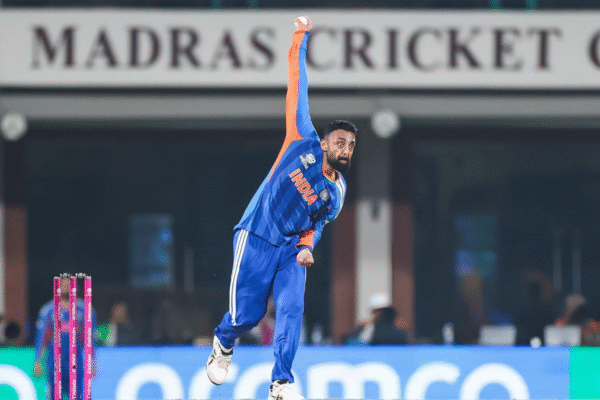


Varun Chakravarthy has not been at his best lately.
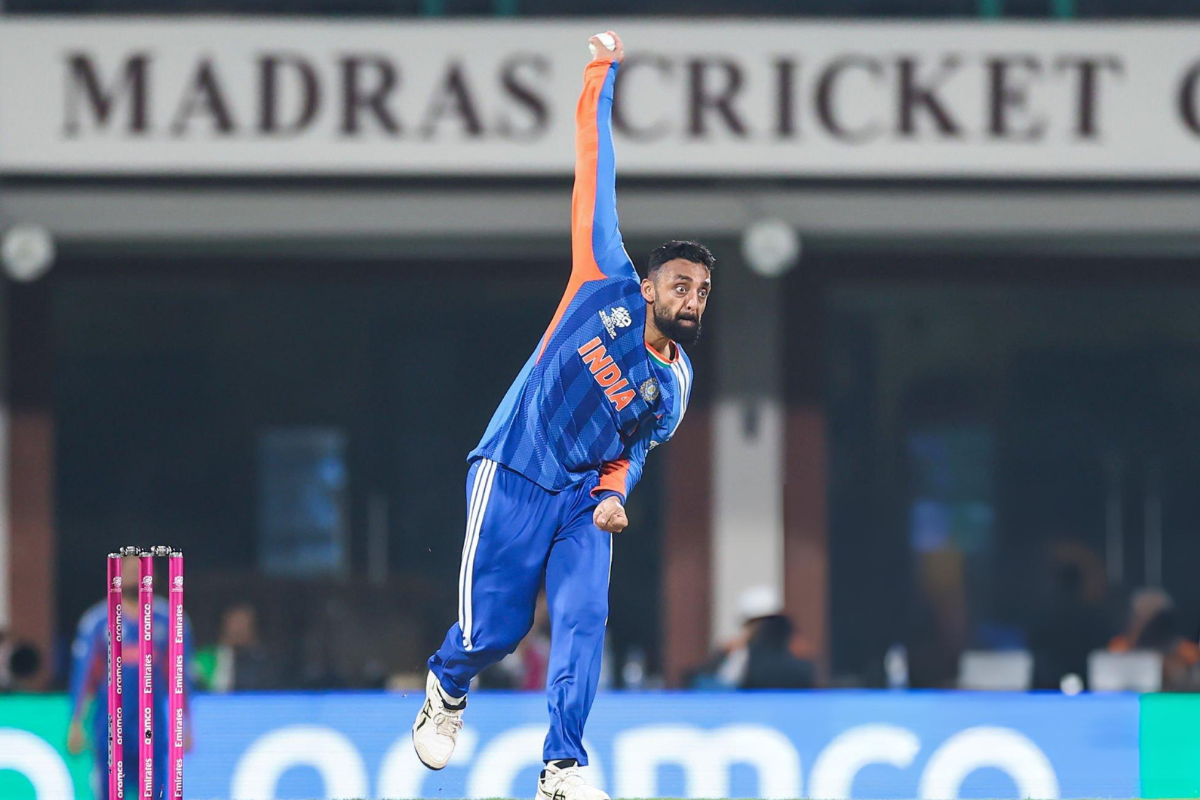
Have teams found a pattern to take down Varun Chakravarthy? That might be too early to say, but both Super 8 matches at the T20 World Cup 2026 will definitely trouble India. In the last two games, he has picked up two wickets at 41 apiece, conceding 10.25 per over; in contrast, he had nine scalps at an average of 6.88 and an economy rate of 5.16 across four group-stage matches.
A common trend in both recent matches has been that batters have put him under the pump straight away. For instance, South Africa took 11 runs from his first over and another 17 from his second. Meanwhile, Zimbabwe also started with an 11-run over, including a maximum on the first delivery of his spell.
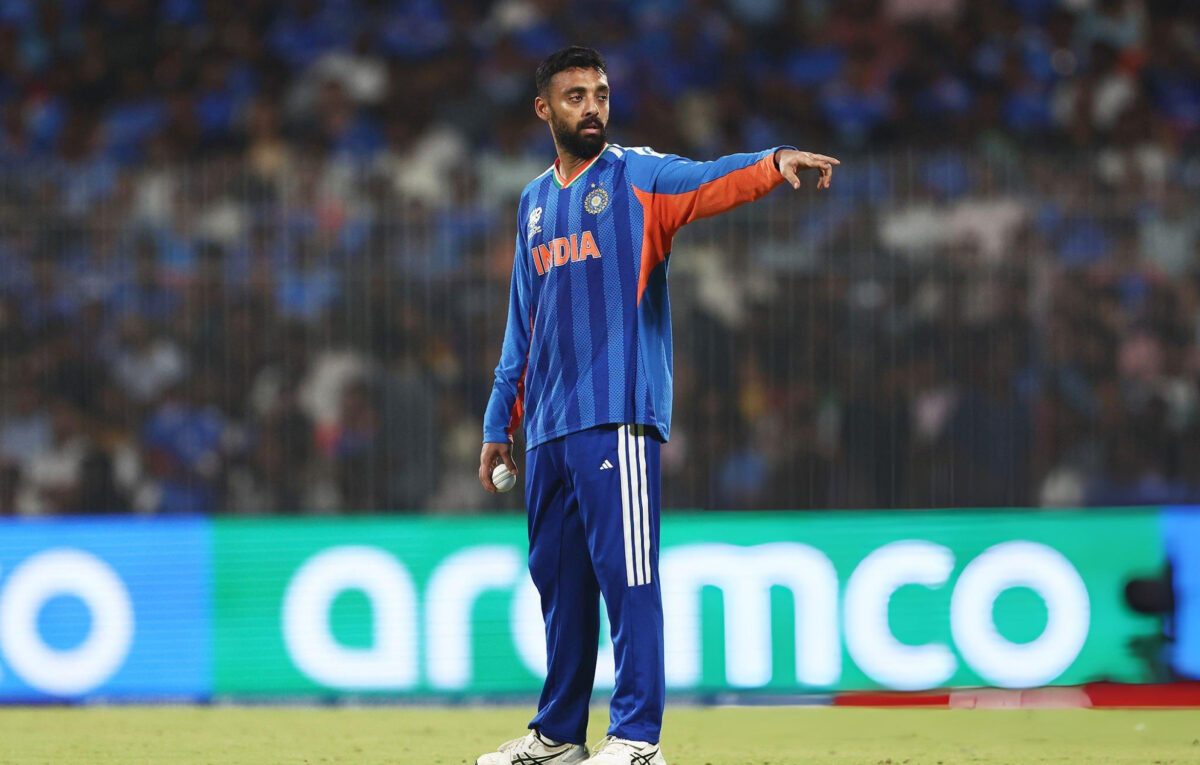
Playing on flat decks hasn’t been an issue for Varun; he has played almost every game on these surfaces since his India comeback. He brought a certain fear and mystery factor that increased his wicket-taking probability almost every time. The teams would hardly take risks against him, and with his range of variations, he was among the wickets every time.
However, once the Proteas pulled it off in Ahmedabad – and crucially, succeeded – Varun found himself in unfamiliar territory, a space he has hardly found himself in since his resurgence. No wonder he didn’t know what to do next and just kept getting worse with each over. Zimbabwe then followed the same blueprint and negated Varun Chakravarthy’s threat when they were expected to be most vulnerable.
As a result, his lengths started getting shorter, as he became predictable in his bowling areas. Take South Africa’s innings as an example: once David Miller powered him for a maximum off a slower and floatier ball on the second delivery of the ninth over, Varun started bowling a lot quicker and into the body, even to Dewald Brevis. Brevis cleverly made room to cut past point for four, then anticipated the fuller delivery on the next ball and launched it straight down the ground for six.
Similarly, Zimbabwe were precisely capable of handling him. His lengths suggested Varun was still in protective mode, and after being hit for a boundary off the first ball, memories of the previous match’s onslaught seemed to creep back in. He would never try as much non-wicket-taking stuff before in the tournament.
Varun Chakravarthy has bowled a lot shorter, which has been visible with how batters have played him off the back foot in the recent couple of games. He would earlier create indecision for batters by bowling immaculate lengths that were neither too full nor too short. Now, his lengths are mostly short, and batters have the liberty to wait for an extra second to let the ball do its thing after pitching.
Across the first four T20 World Cup 2026 games, batters played just 45.20% of deliveries off the back foot, with Varun inducing 42.42% false shots. In the last two games, however, 56.85% of his deliveries have been played off the back foot, yielding only 17.24% false shots. Sikandar’s modus operandi summed up how almost every batter has approached him: he played nine of his 11 balls against the bowler from the back foot, striking at 222.22 with three boundaries.
Apart from improper lengths, Varun has also bowled defensive lines, often too wide on either stump. That’s again due to the batters’ proactive move to put him under pressure and force him to go for saving runs. He has now started bowling either on the legs or around the wide tramline right after getting hit for a boundary.
In the group stage, the ace spinner bowled only 13.69% of faulty lines – on the leg-stump or wide outside off-stump. However, they have surged to 25.49% in the Super 8 stage. After every boundary, he has darted one on the legs or away from the hitting zone, showing signs of panic.
It not only makes run-scoring easier but also diminishes his wicket-taking threat. Once that edge disappears, he is no longer the same bowler. He ends up in a familiar spot like before, when his variations lost their bite after taking a few hits.
The latest two games have given other teams a template for how to tackle Varun’s threat in the tournament. He doesn’t have a plan B, which can happen since he was always among the wickets and hardly had to adjust even on the flattest of the decks. He would bowl wicket-taking deliveries, with a mix of mystery, and would be effective nine out of ten times.
Adjusting to an early assault has been tricky for him, especially since he has rarely had to bowl defensively for a sustained period in a spell. Even if this is just a lean patch, India cannot afford it at this stage of the tournament. Their batting is already under scrutiny, and Varun Chakravarthy losing his form would be the last thing they need.
For more updates, follow CricXtasy on Facebook, Instagram, Twitter, and YouTube.