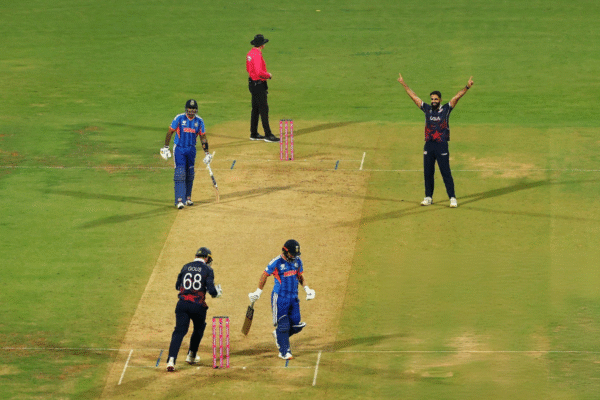


India registered a win against USA but made a lot of errors.
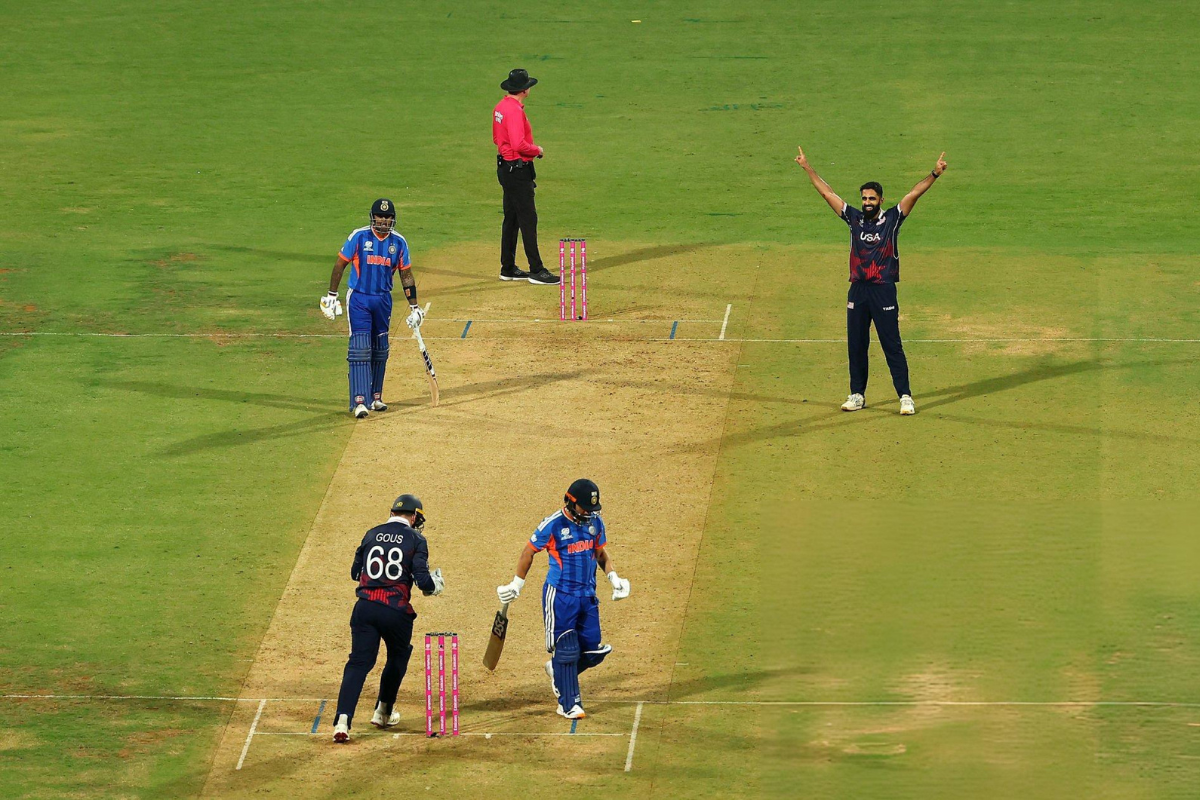
India had a reality check when USA gave them a scare in the opening T20 World Cup 2026 game at the Wankhede Stadium. At one stage, they were reduced to 77/6 in 12.4 overs, and it required a Suryakumar Yadav special to bail them out. Their famed batting lineup fell rather easily when the surface wasn’t as flat as they expected.
While the pitch played a role, another major reason India suffered a hiccup was their faulty batting lineup. Despite playing the best possible XI from available resources in Mumbai, they didn’t slot batters suitable for the role and kept sending them out of position. With all the experiments leading up to the tournament, India were supposed to nail the right slots, but what followed was a gross mismanagement.
ALSO READ:
While India did well to give the top four their original spots, once three wickets fell, they started sending batters not suited to the role. Shivam Dube batted at No.5 after three powerplay wickets, when he had hardly played this role in the last year or so. Since 2025, this was the first time he had come in the powerplay, and 64.70% of his total entry points were after 10 overs.
The move didn’t work, as Dube was dismissed on a golden duck, as India lost four batters in the powerplay. Shockingly, India sent Rinku Singh at No.6, despite his role being a lot different on this side. He is a pace-hitter who has limitations against spin: he has an average of 23.83 and a strike rate of 119.16, with a balls-per-boundary ratio of 7.50, since 2025.
This move allowed USA to use spinners, as Mohammad Mohsin and Harmeet Singh bowled four out of six overs during Rinku’s stay. 12 of his 14 balls were bowled by spin, against whom he had a strike rate of 33.33 before eventually losing his wicket. India wanted to maintain the LHB-RHB combination, but they had a certified spin-hitter in Axar Patel, who remarkably also thrives in precarious situations, to promote.
Instead, they restricted Axar at the very end, and even promoted Hardik Pandya despite two positive matchups: leg-spin and left-arm spin. The move again backfired, as Pandya got out in a bid to put spinners under pressure, which eventually forced India to send Axar at No.8. He formed a small but prudent stand with Suryakumar Yadav; the southpaw couldn’t continue for long due to his improper entry point.
Hardik has improved massively against spinners, but India have Axar precisely for this role and should have been promoted ahead of Dube as well. That wouldn’t have allowed spinners to settle in the first place, and Suryakumar took pacers apart anyway. India not only messed up various spots, but also failed to negate spinners’ threat by lining up pace hitters over a genuine spin basher.
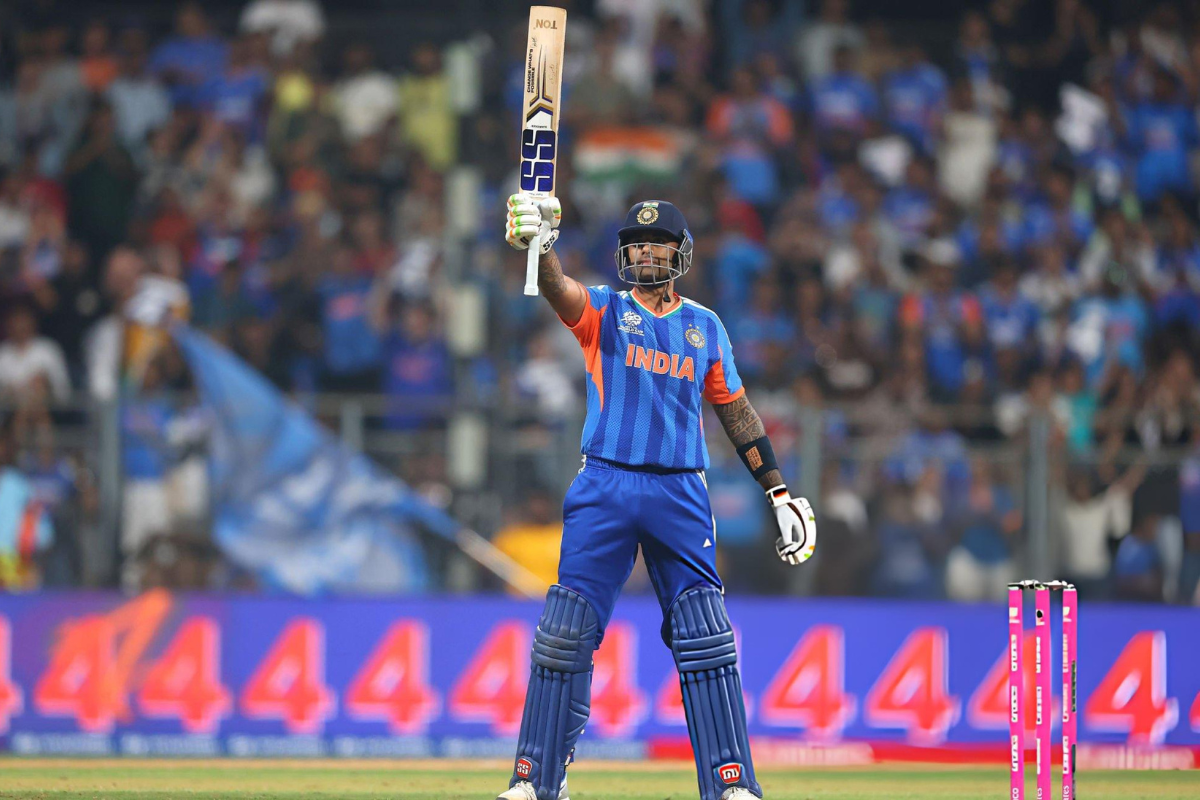
Fortunately for India, Suryakumar Yadav played a timely knock to bail India out of troubled waters against USA. However, they need to optimise their depth from the next game onwards and should nail the spots. A lot of experimentation has already been done, and there’s no room for more.
The top four should remain as they were, but Hardik or Axar should come at No.5 based on the dexterity of the other batter on the crease. If an RHB has got out, Hardik should come in, or vice versa. Both can whack spin, so that shouldn’t be an issue.
Additionally, Rinku Singh should remain around Hardik to hit hard lengths and shield the all-rounder, while Shivam Dube can also be promoted or demoted based on who’s the third batter to get out. The idea should be to maximise Axar’s batting value and preserve Rinku for slog overs.
India should also avoid bringing both Hardik and Axar together for as long as possible, given that both can have issues with off-pace shorter-length deliveries. That’s where Dube will play a pivotal role; he has improved massively against pace and can even hit slower balls. From Australia T20Is and before the T20 World Cup 2026, he had a strike rate of 190 and a balls-per-boundary ratio of 4 against off-pace deliveries.
Hardik and Axar have also not been too bad, but they have their limitations and might not operate effectively together. Moreover, Dube’s role is not whacking spin in this team; his improvements against pace are precisely why India have previously held him back and should continue in the same role. They are fortunate to have a batter for every job and situation; messing with it now just doesn’t make sense, considering they tried almost everything leading up to the T20 World Cup 2026.
For more updates, follow CricXtasy on Facebook, Instagram, Twitter, and YouTube.