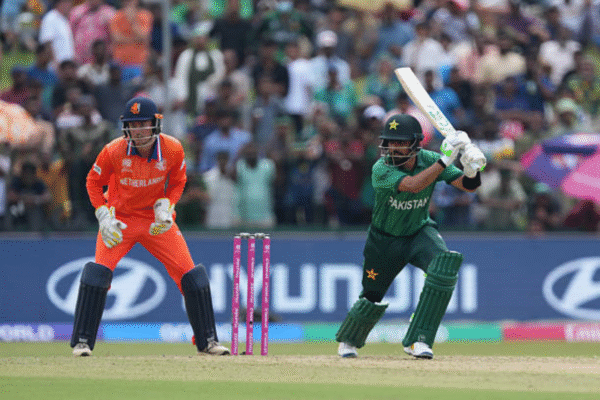


He is the leading run-getter in men's T20I cricket.
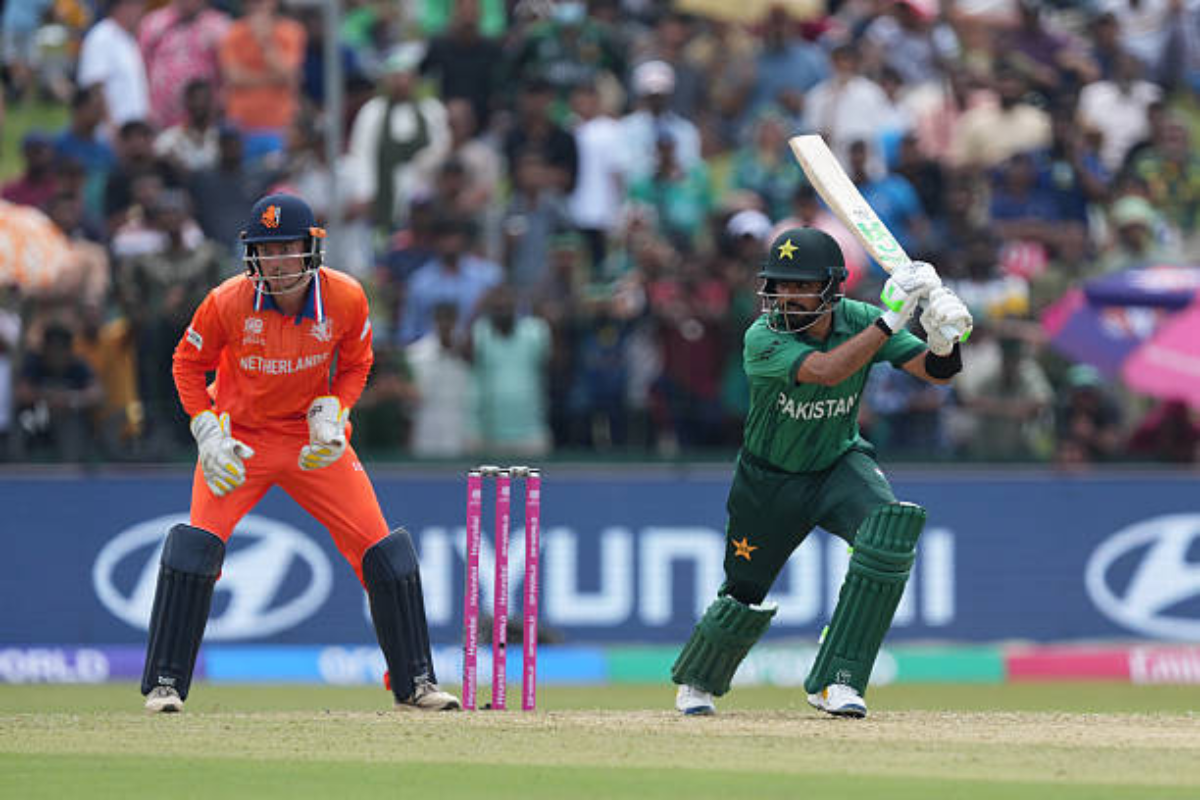
Former legends and captains Ricky Ponting and Sourav Ganguly did not hold back while assessing the role of Babar Azam in the Pakistan T20 World Cup 2026 campaign. They explicitly questioned whether Babar is still suited to the demands of modern T20 cricket after another slow innings.
On The ICC Review, Ricky Ponting expressed strong concerns about the pressure caused by Babar Azam slow scoring rate. He emphasised that modern T20 cricket allows no room for innings that stall momentum.
“I would even think about batting him at No.3,” Ponting said. “If he can get some time inside the Powerplay, that’s going to help him. If he has just lost that little bit of power, then you need everything in your favour.”
Ponting also suggested that the inability to control the middle overs is becoming more of a liability than an asset. He questioned whether Babar is playing the right role, noting that Pakistan has enough power to compensate for an early gamble.
“They’ve got a big decision to make regarding whether he stays in or whether they leave him out,” Ponting added.
Babar Azam struggles were evident in Pakistan’s nervy three-wicket win over the Netherlands, where he managed just 15 runs off 18 balls in a chase that should have been straightforward. The innings led Ponting to issue a blunt warning, stating that such approaches can derail a team, even when they win.
Former India coach Ravi Shastri echoed Ricky Ponting’s criticism, focusing on the mental weight Babar Azam seems to be carrying.
“There’s baggage,” said Shastri. “There’s a weight of expectation. I don’t care if you get out, but I want you to make an effort to hit a couple of boundaries. Choose your spot, get into good positions, anticipate what the bowler is doing.”
Ravi Shastri believes the pressure of expectation is affecting Babar’s performance, noting that innings like 15 off 18 balls not only slow the chase but also transfer pressure on the non-striker, which could potentially lead to their dismissal.
Coming in at No. 4, the scoreboard showed 53/2 in 4.5 overs, with the required run rate slightly above a run a ball. Pakistan seemed on track to reach the target, thanks to Sahibzada Farhan’s 31-ball 47. They were in a solid position at 98/2 after 11 overs. However, they then lost Farhan and four more wickets. After batting 18 balls, which is three overs, Babar neither scored quickly nor anchored the innings for Pakistan, leaving them stuck.
ALSO READ:
Pakistan’s chase against the Netherlands became dramatically tense, even though they were set up for a comfortable finish. With 50 runs needed from 53 balls and seven wickets in hand, the Men in Green were expected to win without any hiccups and drama. Instead, slow innings of Babar Azam kept building pressure, which triggered a mini batting collapse as they lost five wickets in the next 15 runs.
Even during commentary, Wasim Akram warned that Pakistan was getting into trouble. When Babar eventually fell for 15 off 18, the required runs ballooned to 29 from the final two overs. While Faheem Ashraf’s late cameo saved Pakistan, it clearly raised concerns over Babar Azam’s approach.
Since the T20 World Cup 2024, the right-hander has scored 375 runs in 17 T20I innings at an average of 26.78, with three 50+ scores. But what is more concerning is his strike rate, having accumulated runs at 118.67 with only seven sixes, conflicting with what Pakistan needs at No.4.
With Saim Ayub and Sahibzada Farhan giving quick starts and Salman Agha doing well at No.3, Babar appears caught between positions. Pakistan need to decide if moving him up the order can revive his form or leave him out to make a place for an aggressive batter like Fakhar Zaman, who has been batting in the middle order of late.
For more updates, follow CricXtasy on Facebook, Instagram, Twitter, and YouTube.