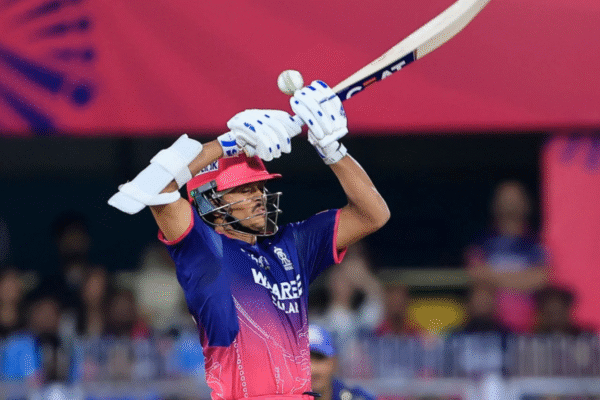


Yashasvi Jaiswal has shown vulnerability against short balls.
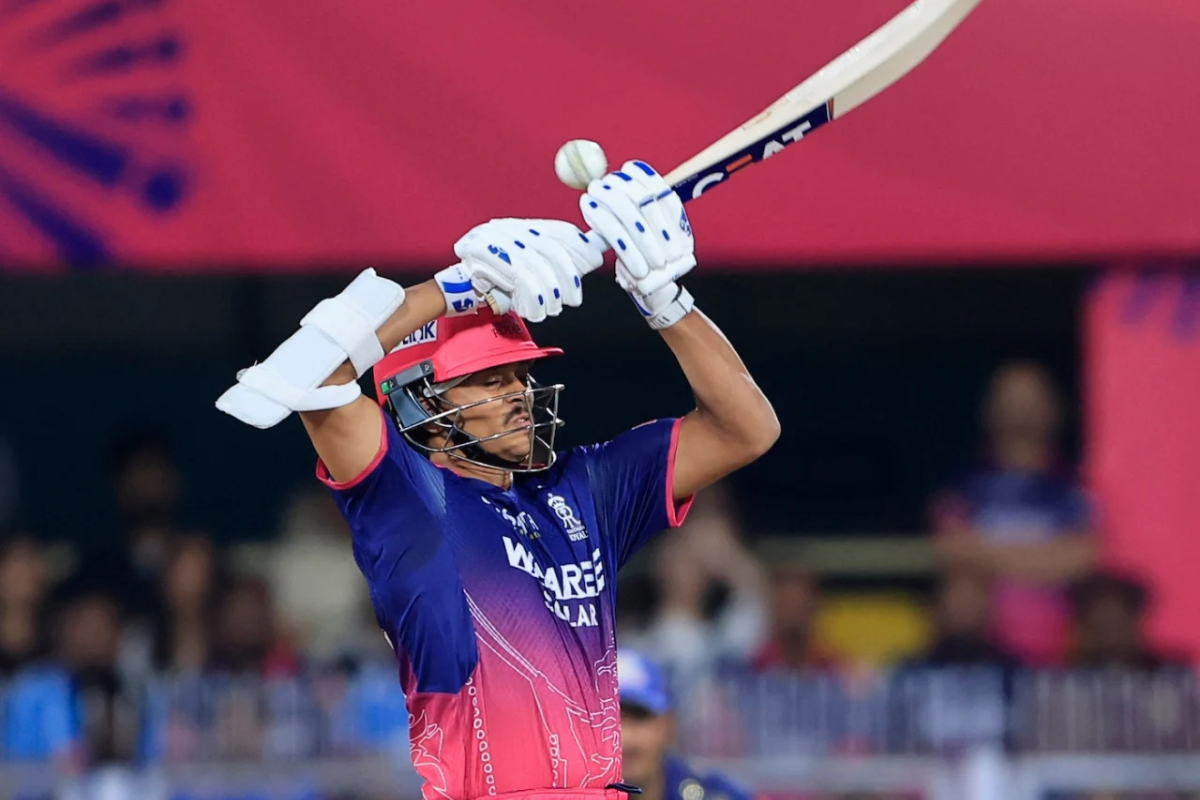
Yashasvi Jaiswal has shown ample issues with short balls in the powerplay this season. The plan has become so obvious that pacers don’t even need to find early movement against him. They can simply bounce him out, even though he’s usually a quality player of short bowling.
ALSO READ:
Yashasvi Jaiswal has lost his wicket six times against pace in the first six overs in IPL 2026, four of them have been on lengths shorter than 8 meters. It’s a high-risk, high-reward length against Jaiswal at the moment. On all deliveries shorter than 8 meters, the southpaw has 100 runs at a strike rate of 200 and hits a boundary every 3.12 balls, but plays around 34% false shots.
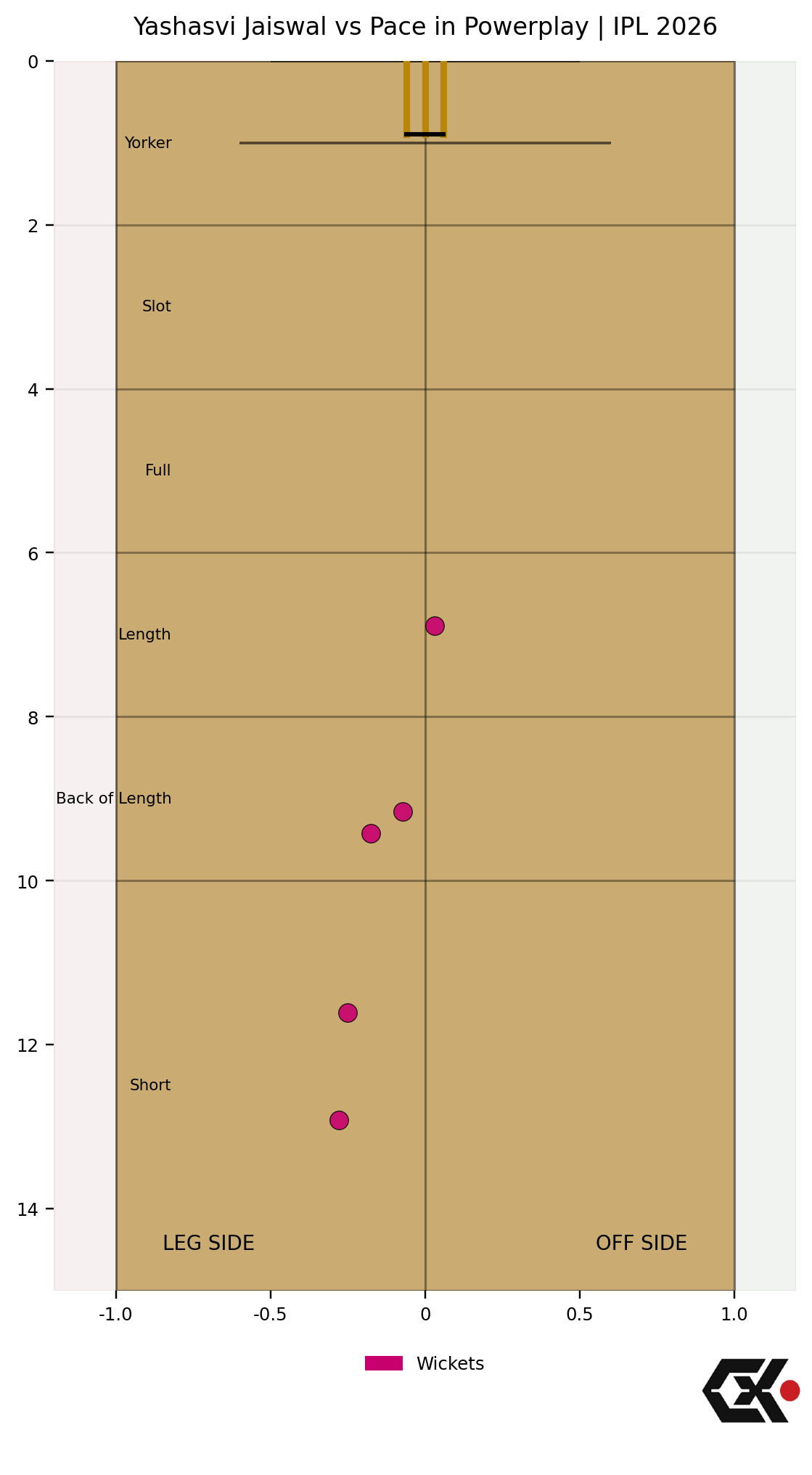
That suggests he doesn’t middle every third ball of the over. He has been dismissed twice each on the back of length and short-length deliveries with the new ball. The reason has been his uncontrolled high-risk shots on non-fuller balls – pull and upper cut shots.
He has been dismissed twice and retains control of only 50% of pull shots in the first six overs this season. Meanwhile, the upper cut has resulted in one dismissal and a false shot each in three deliveries. Collectively, these two shots yield a wicket or false shot around 53% of the time, and since they are aerial by nature, the chances of a wicket increase more than on any other shots.
The deliveries moving away from Yashasvi Jaiswal result in three dismissals at an average of 19.66 and 28.94% false shots. That explains why the lines slightly outside the off-stump trouble him. Whenever the balls go away from him, Jaiswal tends to pull them on the leg side against the movement or slog wildly, resulting in catches either inside the ring or on the ropes.
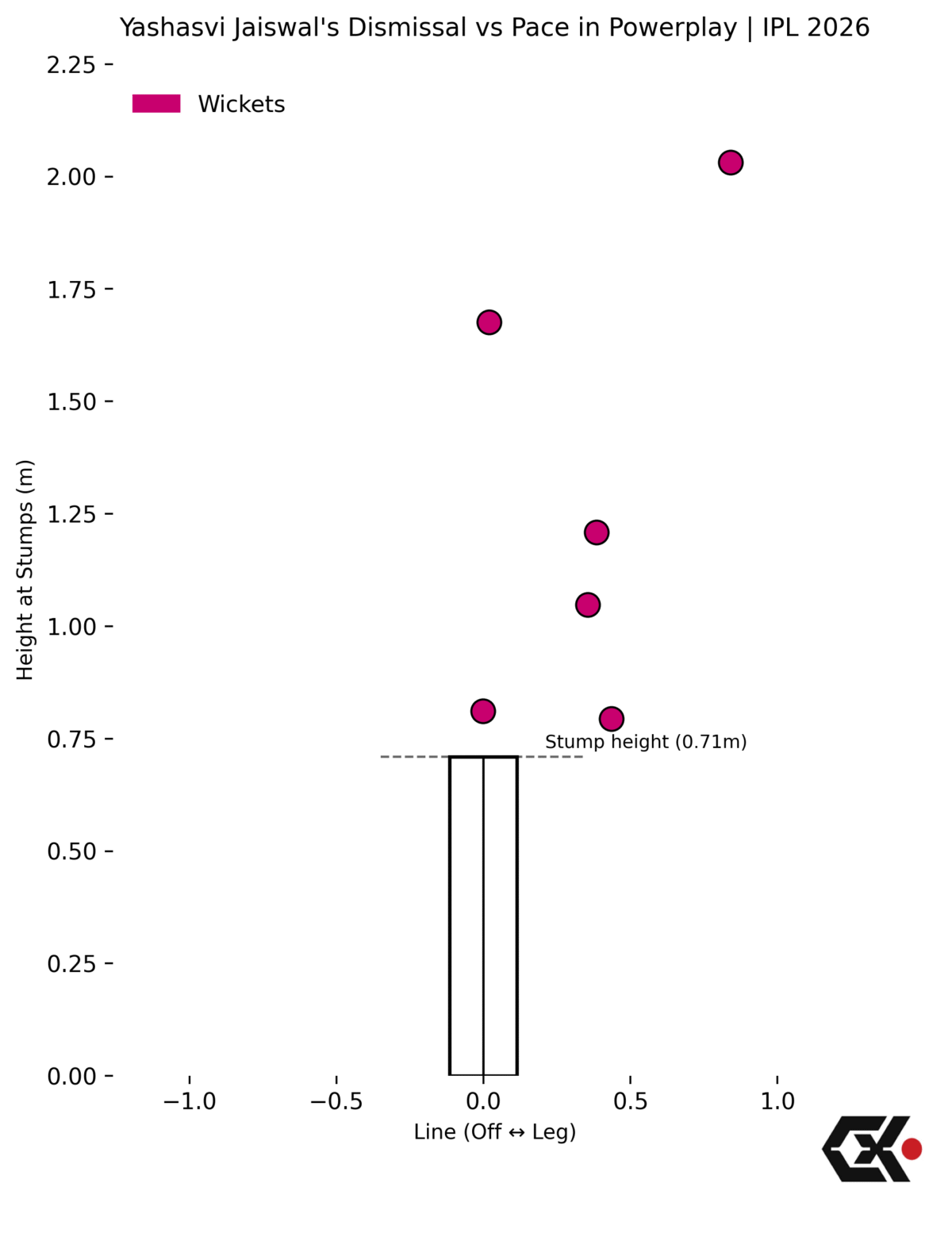
So, pacers can start with a backward point and a deep square leg to curb pull and upper cut shots, which are two of the best ways to counter short balls. Yashasvi can fall into the trap again. He has developed enough vulnerability and will have recent dismissals in mind whenever a short delivery is attempted.
Mitchell Starc vs Yashasvi Jaiswal has been an intriguing battle across formats, and Starc has found significant success lately. He might still wish to start with good-length deliveries in Delhi before shifting to short stuff. On deliveries between 6-8 meters, Jaiswal has struck at just 105 and played around 35% false shots, losing his wicket once, suggesting he hasn’t found a way to get going on Test match lengths.
The new ball has offered relatively little assistance to pace bowlers at Delhi this season. Among all grounds that have hosted at least three matches, Arun Jaitley Stadium ranks fourth-lowest for median swing (0.50°) in the first six overs. In terms of seam movement, Delhi (0.26°) is second-bottom, only behind Hyderabad (0.25°).
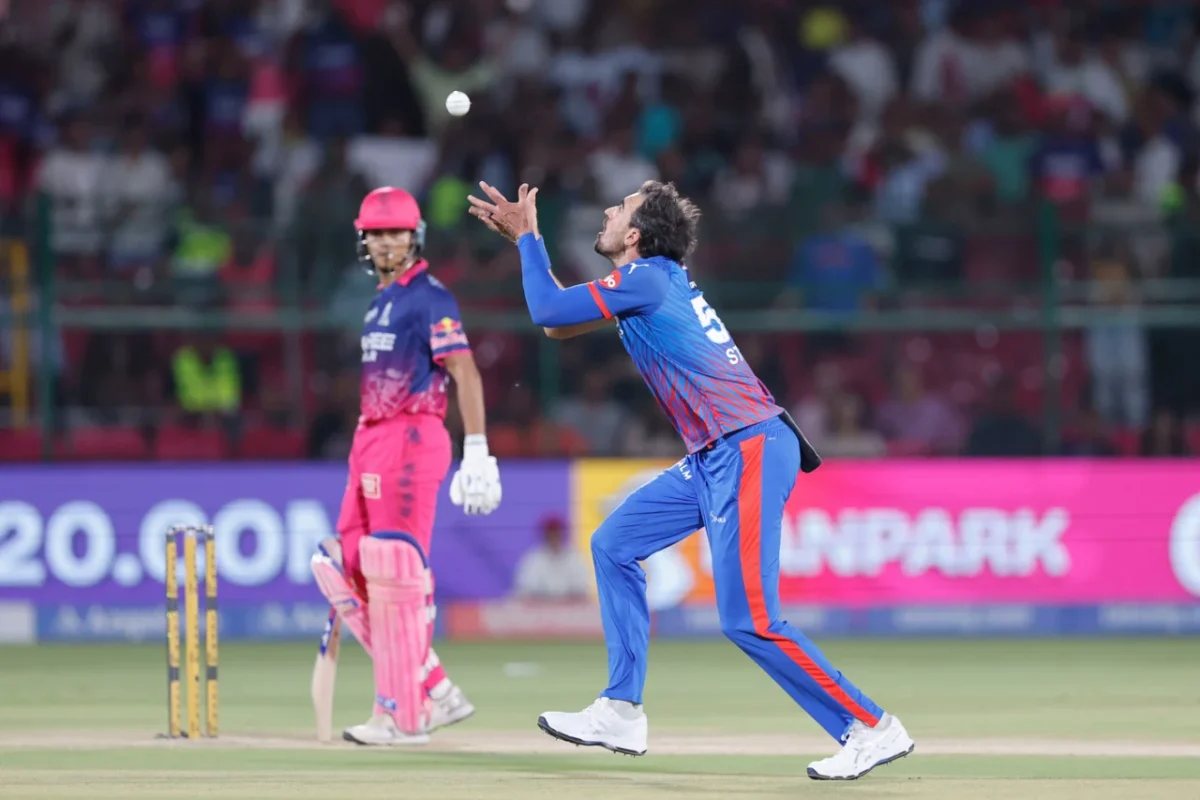
So, Mitchell Starc will need to shift to short balls if he doesn’t get early movement or gets hit for a few quick boundaries, which will further diminish the assistance. The same goes for Auqib Nabi, who has done well only when the ball has moved early in the innings. With precise field placements, both new-ball bowlers can remove him before Yashasvi Jaiswal creates enough damage on a flat surface.
For more updates, follow CricXtasy on Facebook, Instagram, Twitter, and YouTube.