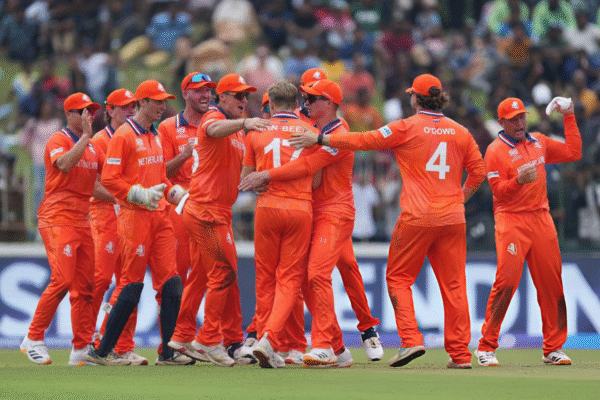


Netherlands will face an LHB-heavy Indian batting unit.
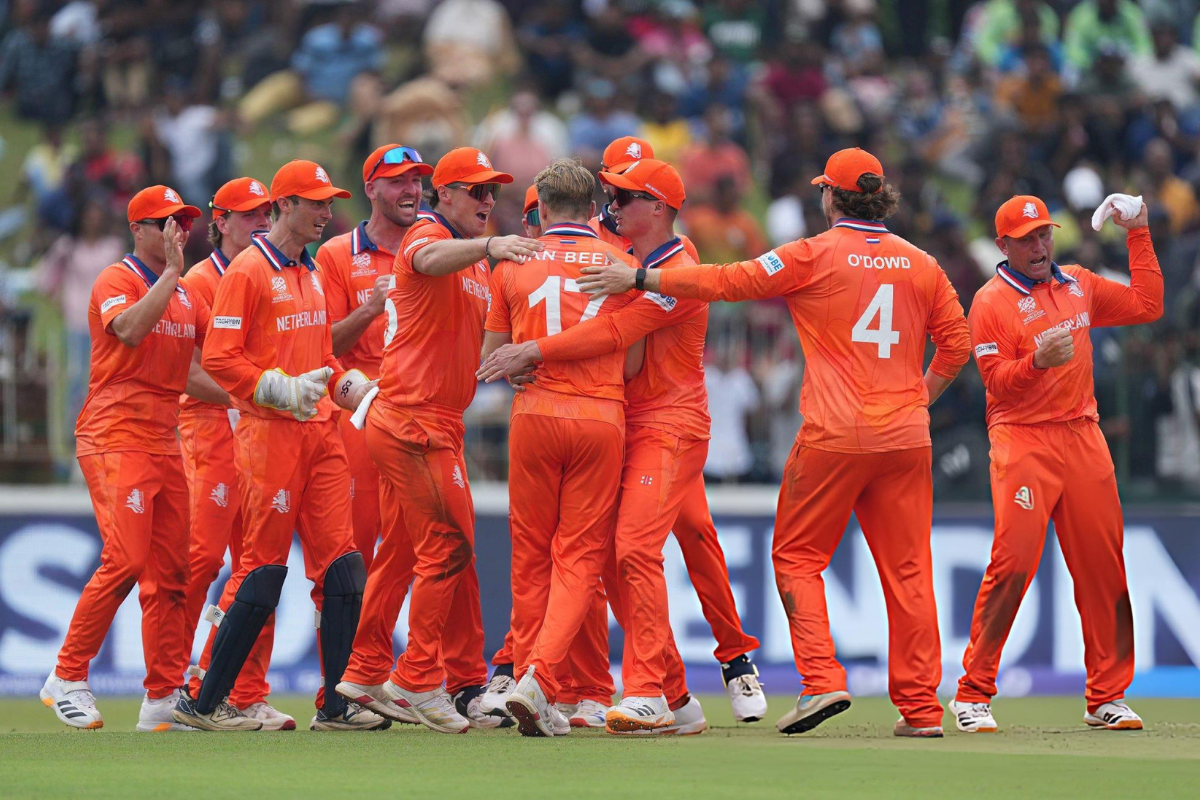
Netherlands have the most one-dimensional batting unit in the ongoing T20 World Cup 2026, with all members in their squad, including bowlers, being right-handed batters. They have already faced issues due to a lack of variety in the batting unit, but another massive problem for the Dutch has been how their bowlers haven’t had enough practice against LHBs.
They have still done well against southpaws: averaging 25.17 and an economy rate of 7.43 in the T20 World Cup 2026. However, the lack of preparation against left-handed power-hitters has already hurt them twice in the tournament – first against Faheem Ashraf in Colombo, and then against Namibia’s top-order duo, Jan Frylinck and Jan Nicol Loftie-Eaton, who stitched together a brief yet valuable second-wicket stand.
ESPNcricinfo reported that Netherlands asked for an LHB net batter for a training session in Ahmedabad, which prompted the Gujarat Cricket Association (GCA) to call the domestic captain Manan Hingrajia. Hingrajia batted for an extended two hours, where his task was to go hard against the new and old balls.
Several security personnel were deployed in the stands to collect the ball, as the Netherlands left no stone unturned in preparing for their biggest challenge in the tournament. Almost every bowler expected to face India bowled to Hingrajia to get a feel of what to expect on Wednesday.
Before this game, Netherlands bowled around 34.17% of their total deliveries to LHBs in the competition, which, while not low, is not high either. Their general numbers have been decent because they have either mostly bowled to medium-quality batters or on tacky wickets; quality LHBs like Saim Ayub and Faheem have still put them in trouble.
ALSO READ:
India will likely have as many as six LHBs in the top eight, including an all-LHB top three, who bring complementary skills against pace and spin. Abhishek Sharma is a spin-hitter, while Ishan Kishan and Tilak Varma are brutal against pace; the former has also shown massive improvements against slow bowlers.
In Ahmedabad, bowlers, particularly spinners, have been ineffective due to flat conditions, for they have averaged 41.10 and given 9.34 runs per over in the ongoing T20 World Cup 2026. Additionally, Netherlands spinners have not been very encouraging: they average 45 and have an economy rate of 8.57 across three games.
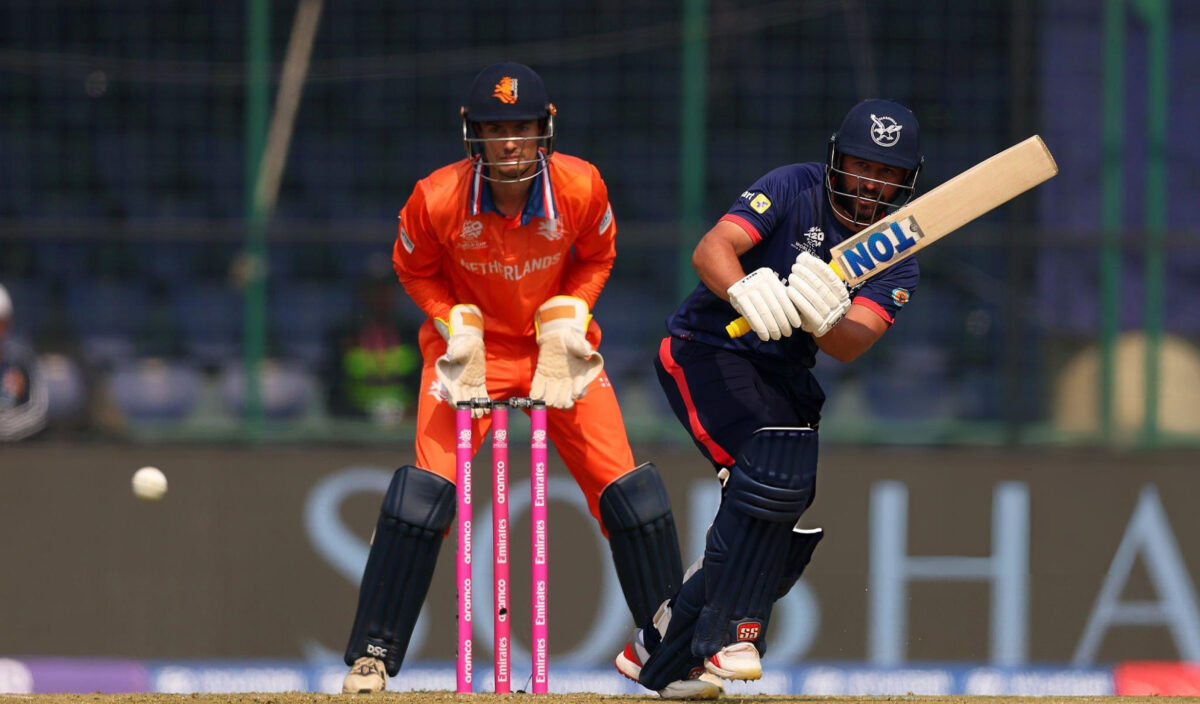
India will unlikely spare them in what are expected to be the best batting conditions they have had in the tournament so far. Hence, no wonder, Netherlands opted for a specialist batter in the nets, something not often seen, as teams mostly prefer net bowlers.
For more updates, follow CricXtasy on Facebook, Instagram, Twitter, and YouTube.