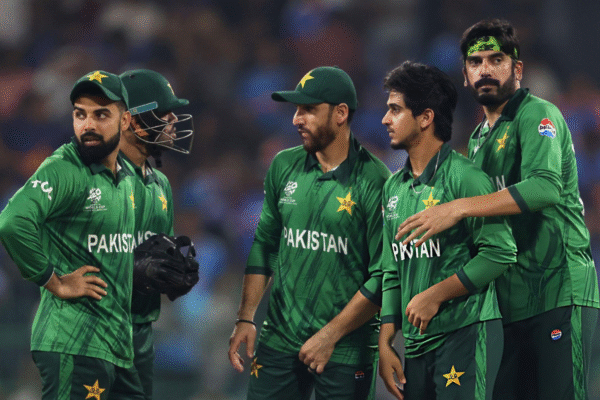


Pakistan made numerous errors against India.
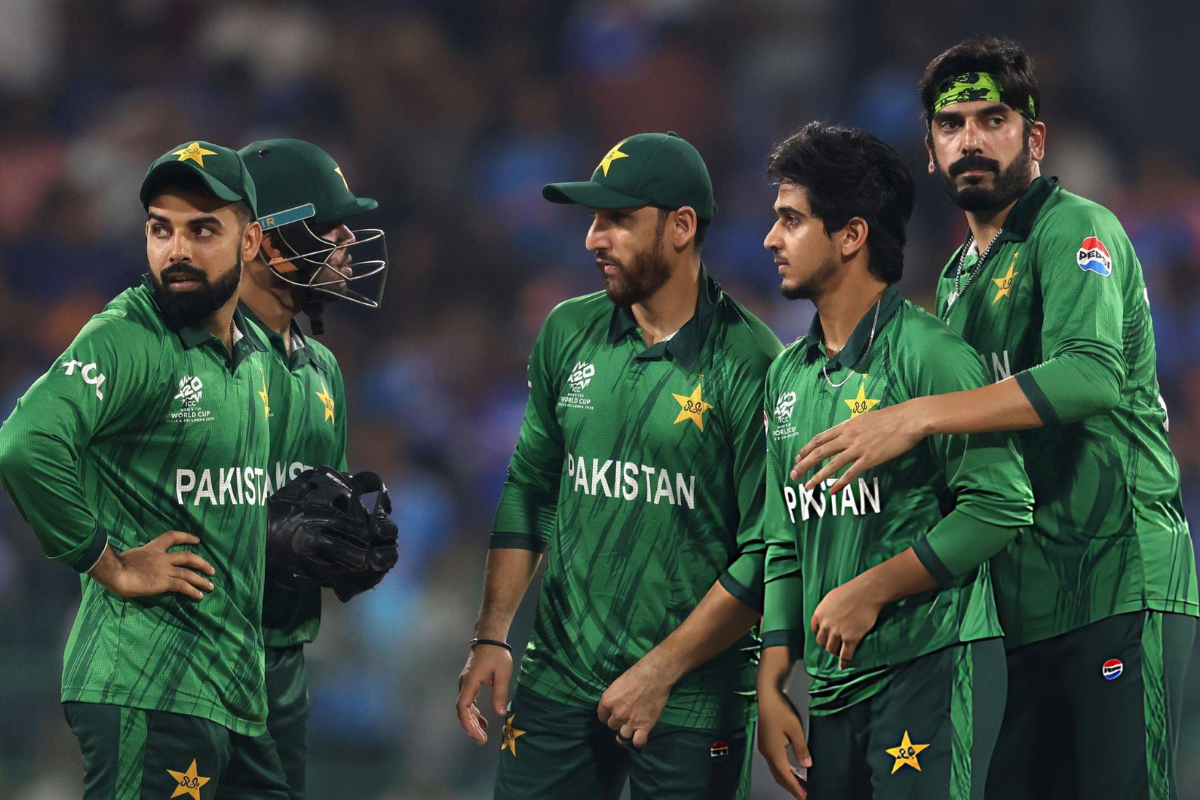
Pakistan suffered a one-sided defeat against India in Colombo at the T20 World Cup 2026. They came with high expectations and better knowledge of the conditions, but what followed was a familiar story. India were clinical throughout the contest and hardly allowed the opponent to come in.
Pakistan made a lot of poor calls, some of which can now be termed hindsight, since the results didn’t go their way. They seemed overprepared for specific things, such as Abhishek Sharma’s wicket, but other areas were vulnerable. A few of their calls went on to backfire, given that their limited skill sets don’t allow for any tactical hiccup against a formidable opponent.
In this segment, we look at where Pakistan lost the game.
ALSO READ:
Pakistan had an early advantage after the coin fell in their favour, but Salman Ali Agha opted to field first despite not having enough batting depth. Meanwhile, Suryakumar Yadav was clear that India always wanted to bat first, which proved to be the right call. While the conditions got better in the second innings, Pakistan still needed to put runs on the board and get the harder part out of the way.
Bowling was their strength, so they should have batted in the first innings and tried to post a competitive score. That could also have given Pakistani bowlers some idea of where to bowl, which could have helped them adapt better. Once India scored 175/7 in the first innings, Pakistan were always playing behind and crumbled under the pressure of the run chase, a script they have seen numerous times before.
Three T20 World Cup 2026 games were played at the R. Premadasa Stadium before India vs Pakistan. For starters, all three were won by the team batting first, with run-scoring becoming increasingly arduous in the second innings. So, even if batting became slightly easier when Pakistan batted, they were still tricky for them due to their limitations.
Additionally, spinners were far more effective in the second innings than in the first prior to this game. In the first dig, they averaged 43.16 and conceded 7.61 runs per over, compared to an average and an economy rate of 17.78 and 7.32, respectively, in the second. By choosing to bowl first, Pakistan denied their spinners two key advantages: more favourable second-innings conditions and valuable insights from the first innings.
India used as many as five spinners, including two part-timers, during their bowling turn to maximise helpful conditions. They shared six wickets and never allowed Pakistan to come into the chase. Winning the toss backfired for the Men in Green.
Shaheen Shah Afridi bowled two overs, and both came at the wrong time. His first set was the second over of the innings, and he went on to concede 15 runs after Abhishek Sharma’s early wicket. Pakistan should have continued with spinners and brought Saim Ayub into the attack for multiple reasons.
Firstly, he understands how to operate with the new ball, having done it consistently in T20s and spinners were getting assistance straight away. Additionally, both Ishan Kishan and Tilak Varma have issues against spinners, especially the latter, and Ayub averages 18.25 against LHBs this year. So, giving pace to two pace-hitters with field restrictions was a poor move.
Then, Shaheen came to bowl the final over and gave 16 runs to end as the worst bowler of the game, as Pakistan missed an opportunity to employ a spinner to close the innings. While Shivam Dube was on strike and Abrar Ahmed and Shadab Khan had earlier leaked runs, Salman could have come himself and bowled shorter lengths away from the hitting arc, something he did precisely in his initial two overs. The ball was gripping, and keeping it away from Dube’s reach could have helped, considering his recent struggles against off-spin.
Moreover, Rinku Singh, who can struggle against slow bowlers, was on the other end. He took Shaheen apart and helped India finish on a high note when a spinner was workable. This might sound like hindsight for multiple reasons, and Pakistan had their reasons to back the left-arm seamer, but the spinner was the better option, especially an off-spinner.
Not that it was unexpected, but Shadab Khan and Abrar Ahmed learnt nothing from Salman Ali Agha and other spinners. On a deck where slightly shorter lengths were hard to hit, the two kept bowling fuller ones and down the leg side at times. An early pattern from the game emerged where Ishan Kishan found it hard to put deliveries on the off-stump or outside the off-stump line, but those two spinners kept bowling into the hitting area, sometimes spraying down leg.
Around 33.33% of Abrar’s deliveries didn’t end on the off-stump or wide of it, while Shadab also bowled two out of six down the leg side. Mohammad Nawaz did well to bowl only 16.66% such balls. Usman Tariq and Salman Agha were most accurate, and unsurprisingly, the better of the lot.
Even length-wise, Abrar and Shadab went in the slot at times and were dispatched almost every time. Cricbuzz posted a stat that Indian batters had a strike rate of 108.82 and lost three wickets on deliveries shorter than five meters. Abrar and Shadab did the exact opposite, that too with erratic lines.
When Babar Azam departed while attempting a wild slogsweep, it was hard to determine who played a poorer shot – Babar or Salman Ali Agha. Before this game, a number of batters had got out while trying to play across the line. Hitting pull or flick from off-stump or outside was hard, and still three of the top four Pakistani batters departed in the same fashion.
The likes of Glenn Maxwell had earlier tried it and failed miserably. A lot of players have been caught in the deep, like Josh Inglis and Suryakumar Yadav. So, when India came up with plans to force Pakistan with straighter or wider lines, they kept playing it on the leg side against the angle and lost wickets.
The shot selection was beyond comprehension, especially from their best batters. Hence, no wonder their chase ended before it could even begin. Pakistan were surely expected to do better after getting clues from previous games at this venue and how India batted in the first innings.
For more updates, follow CricXtasy on Facebook, Instagram, Twitter, and YouTube.