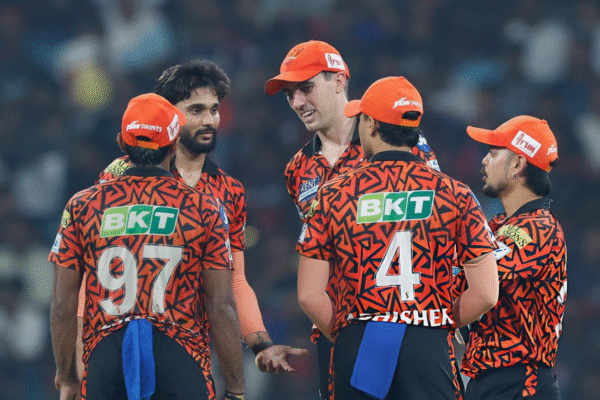


SRH can look to prioritise Salil Arora's recent form.
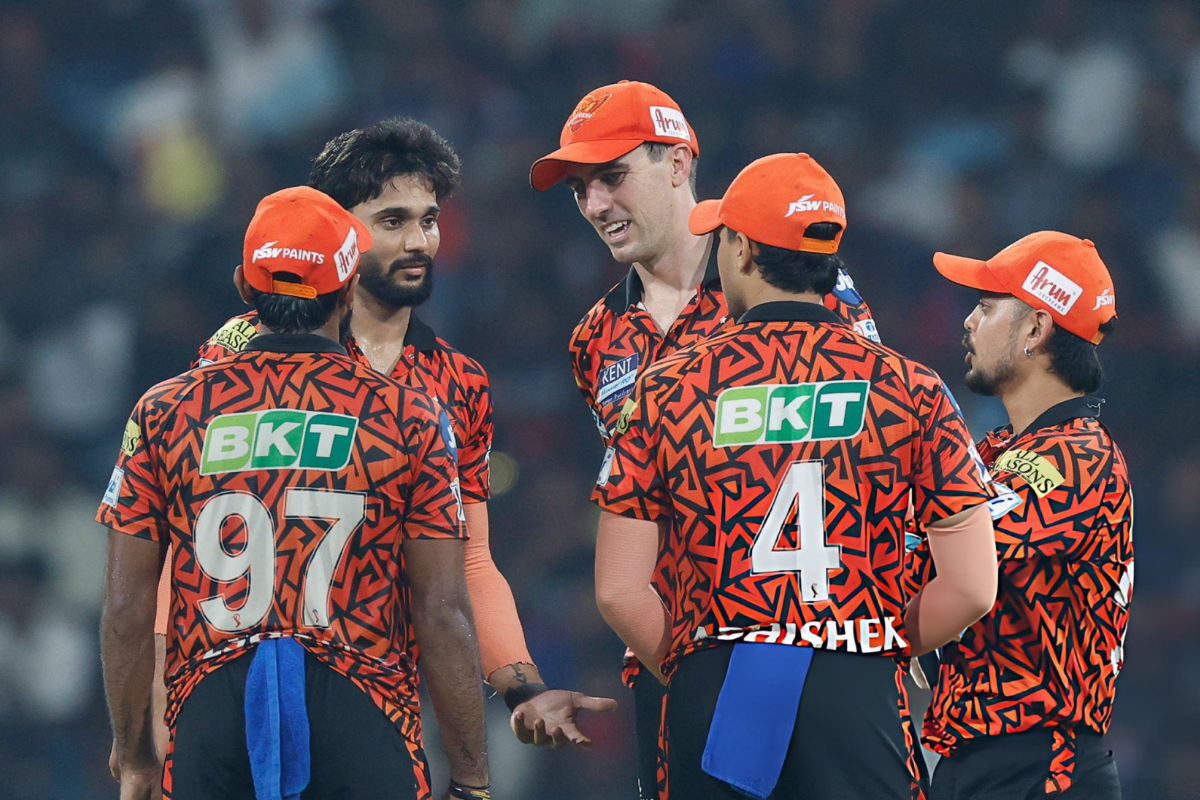
Sunrisers Hyderabad (SRH) bought a dynamic batter, Salil Arora, at the IPL 2026 auction for INR 1.50 crore and has been looking exceptionally good in the nets. He is a package from Punjab whose rise in recent times has been colossal and pressing for a spot in the playing XI.
Sunrisers Hyderabad have one of the most explosive batting lineups in the competition, but that also means a few batters will bat out of position. For instance, Liam Livingstone looks like a misfit, unless he bats at No.4. But Livingstone at No.4 will place Nitish Kumar Reddy and possibly Heinrich Klaasen out of their preferred spots.
They have Aniket Verma, who can be a floater, but others need to get their slots correct to succeed consistently. Salil is a middle-order batter who can bat from No.4 to 6, so if he has to play, SRH must leave out Nitish Kumar Reddy. The Punjab batter has 256 runs at a strike rate of 209.83 in five innings, including a fifty and a century, at No.5.
Assuming Salil plays, SRH can use him at No.5, with Heinrich Klaasen or Liam Livingstone batting at No.4. He is a pace-hitter whom Klaasen can shield with his spin batting and allow him to hit from the first ball. A better way would be to use him at No.6, followed by Aniket Verma, to let Livingstone and Klaasen get their preferred spots and make the batting more dynamic.
Nitish has certain restrictions in the lower order, which came to the fore last season, and he can’t be demoted anywhere below No.5. So, Salil Arora gives SRH more flexibility and brings an unknown factor. If he plays, their batting lineup can look like: Travis Head, Abhishek Sharma, Ishan Kishan, Liam Livingstone, Heinrich Klaasen, Salil Arora, and Aniket Verma.
ALSO READ:
That’s enough depth and firepower, with almost everyone getting their suitable spots despite a problem of plenty. Then, SRH can bring in a bowler in the bowling innings via the Impact Player rule and optimise their batting strength.
The route to include Salil Arora in the XI isn’t as straightforward as it seems. If SRH decide to leave out Nitish Kumar Reddy, that means they also let a genuine all-rounder go. In the current scenario, it might not be a wise move, considering their pace-bowling resources are already at an all-time low.
Pat Cummins will miss the initial phase, while Eshan Malinga might also be unavailable fully or partially. So, they will rely heavily on inferior options for the job. That would mean SRH would want more options, even if for a couple of overs, and Nitish can do the role.
He has a knack for picking wickets and can give two overs consistently in the middle overs. If Salil plays, SRH’s bowling options will reduce further, and they will rely heavily on vulnerable pacers like Brydon Carse and Jaydev Unadkat. A different way to accommodate Salil is to include a pace-bowling all-rounder like Shivam Mavi in the XI.
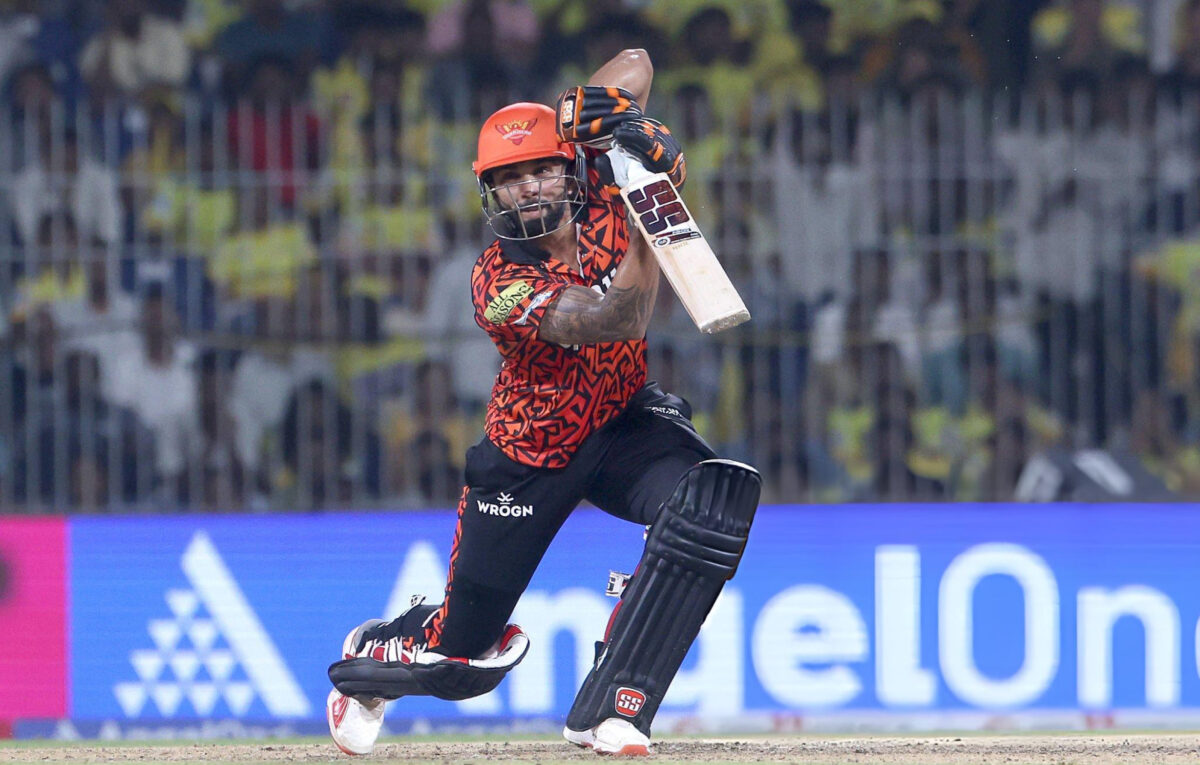
Then, SRH will have a greater bowling option than Nitish and get to play Salil in his preferred role. However, Nitish brings a proven skill set against spin in the middle overs, allowing SRH to play specialists in the bowling department. Having more options is better for the Orange Army since they can’t afford to go with fewer options in the absence of main pacers.
The Impact Player rule allows SRH to use both Nitish and Salil simultaneously, but one of them will be forced to bat out of position, which, in turn, will affect slots too. So, they must weigh their options and decide whether they want to disrupt several combinations or go batting heavy by playing an in-form Salil Arora. Both bring certain skills and will play different roles, but what eventually matters is how SRH want to play in the season.
For more updates, follow CricXtasy on Facebook, Instagram, Twitter, and YouTube.