


Phil Salt can be troubled by left-arm pace.

Phil Salt often gets out to left-arm pacers in IPL. It’s not exactly a weakness of sorts, but he has shown a pattern. His ultra-aggressive approach makes him susceptible early on.
ALSO READ:
Since 2025, Salt has been dismissed five times at an average of 22.60 and a strike rate of 156.94 against left-arm pacers. All those wickets have come in the powerplay itself, four in the initial three overs. Against right-arm pacers, his average shots up to 69, and he strikes at 158.62 with only two dismissals.
Three wickets have come on either back-of-a-length or short deliveries, on which he has a strike rate of 185. That shows he has been out trying big shots and ended up playing up in the air rather than hitting from the middle of the bat. The opening game saw additional bounce in Bengaluru, with five of 11 wickets against pacers falling to back-of-a-length delivery.
That’s where Phil Salt can be targeted by CSK early on. The wickets in Bengaluru have changed drastically since last year, with them not as flat as they used to be. Devdutt Padikkal also pointed it out after the SRH game, so CSK can look to bounce Salt out early.
However, before that, the Chennai-based franchise can look to bring the ball into the batter, with inswinging deliveries from left-arm pacers troubling Salt lately. He had one dismissal from incoming balls and could strike at just 66.66 in the powerplay. At the T20 World Cup 2026 as well, the RCB batter was dismissed once by Italy’s Ali Hasan.
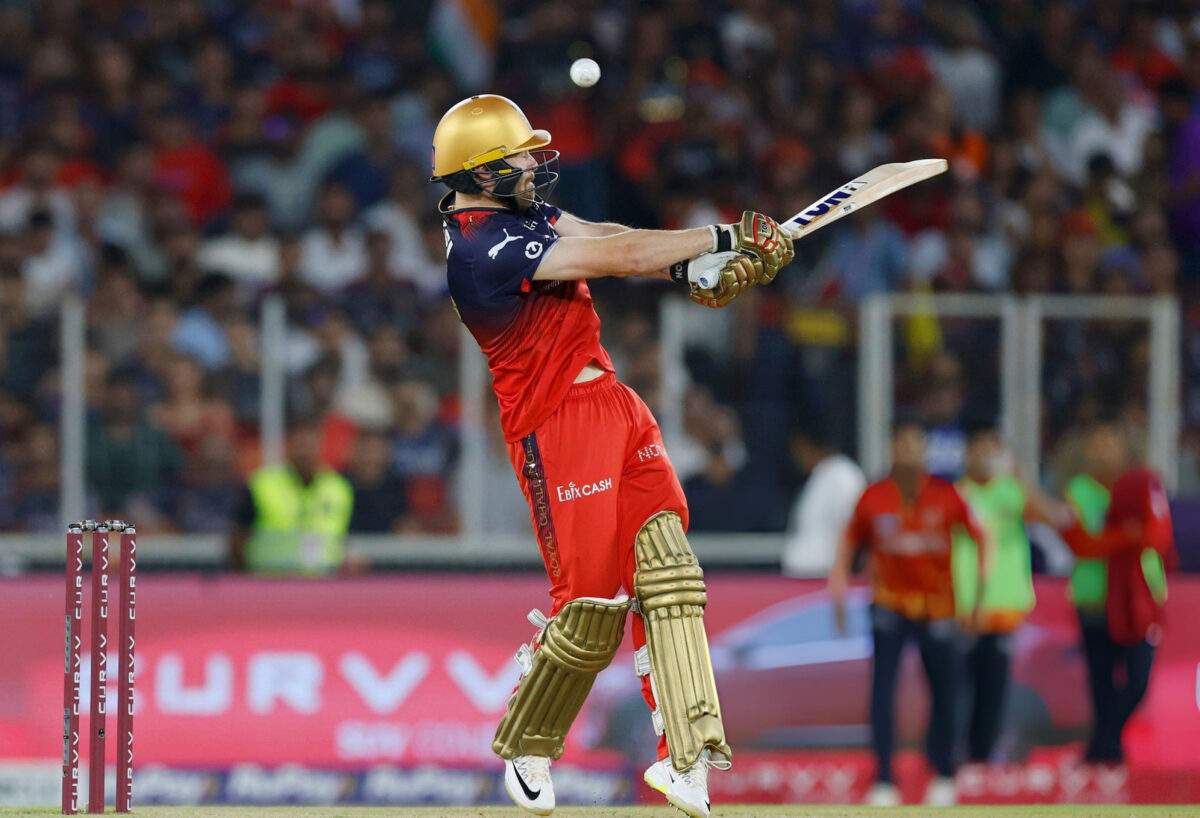
So, CSK have two areas to target instantly: first, bring the ball into him with an angle by pitching slightly fuller. And if that doesn’t work, shift to bowling short and into the body, again with an inward angle. These two will give them the maximum possibility of removing Salt early on.
Historically, Phil Salt has dominated Khaleel Ahmed in T20s, striking at 161.29 without any dismissals. However, Khaleel has improved massively against RHBs, which has been one of the biggest reasons for his powerplay success lately. Since IPL 2025, he has six wickets at 24.33 runs apiece and an economy rate of 7.49 against right-hand batters during the field restrictions.
A major reason for his success has been his accuracy, as he creates an away angle with the new ball. However, he might need to bring stumps more into play this time and try bringing the ball into the batters. It’s something he hasn’t done consistently, though.
That’s also the reason why Salt has got the better of him; away-going deliveries aid his bat swing and don’t exactly trouble him. Khaleel can bowl short and into the body, though. He has got two of his six RHBs scalps via back-of-a-length deliveries and hit shorter lengths 32.77% of the time against RHBs in the powerplay.
Khaleel will need to exploit Salt’s weaknesses early on. But for that, he must keep his lines on the stumps and shift lengths immediately if things don’t work early on. He has to get that early wicket for CSK.
For more updates, follow CricXtasy on Facebook, Instagram, Twitter, and YouTube.