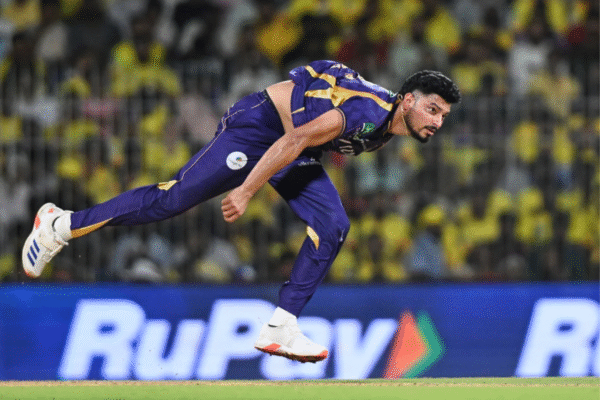


Vaibhav Arora has been ineffective in powerplay.
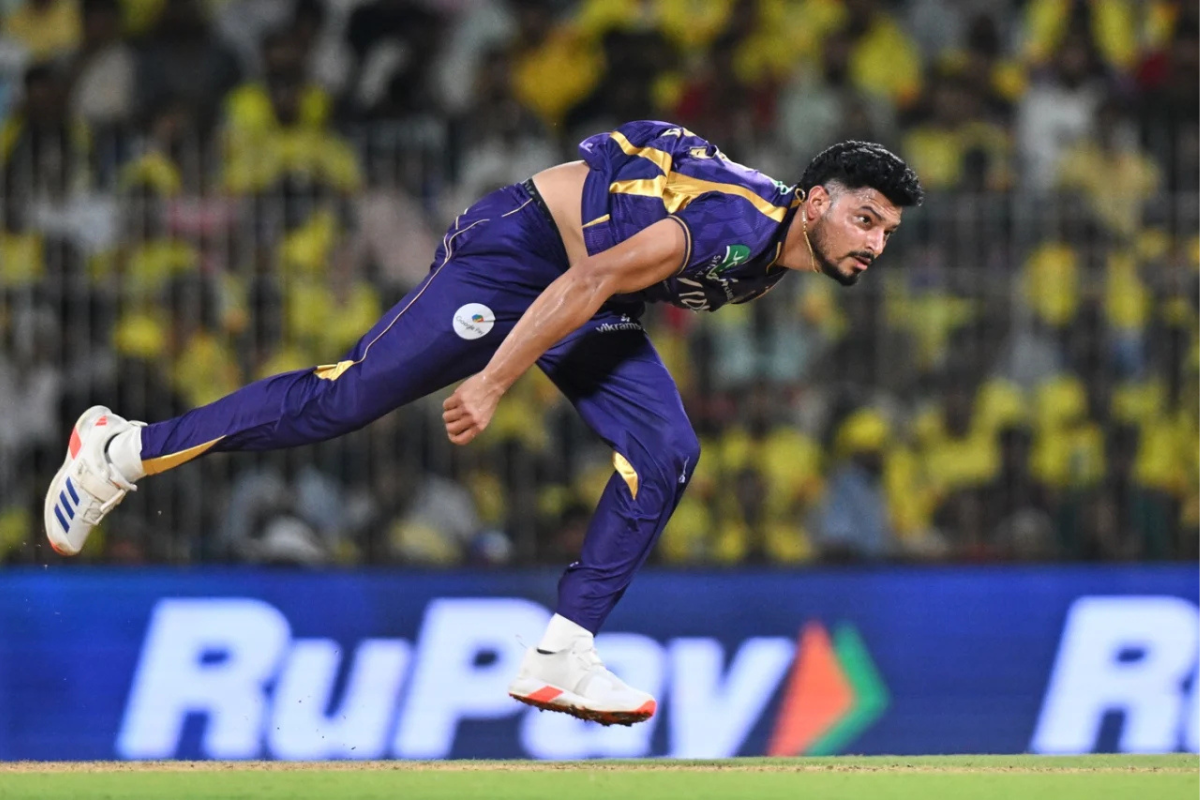
Since 2025, KKR pacer Vaibhav Arora has taken only nine wickets at an average of 35.33 and an economy rate of 9.64 in the powerplay. This season, he has three scalps at 30.33 runs apiece, conceding 11.38 runs per over. In 2024, he grabbed nine wickets at 23.44 and had an economy rate of only 8.79.
In Harshit Rana’s absence, KKR have faced severe powerplay issues with the new ball. They have the worst economy rate (12.17) and the third-worst average (58.40) in the first six overs this year. Vaibhav has gone wicketless in two of four innings so far.
ALSO READ:
A major reason Vaibhav Arora hasn’t been so effective in the last couple of seasons has been his erratic lines with the new ball. His biggest strength in 2024 was his ability to bowl in the channel on the off-stump or just outside off-stump, allowing the moving ball to take edges more often. Around 81.94% of his deliveries were on these two lines in 2024, fetching him six of his 9 wickets at 27.16 runs apiece and an economy rate of 8.28.
That number has shrunk to just 48.48% since 2025, where he has taken five scalps at an average of 34 and an economy rate of 10.62 on these lines. His control has been missing in this period: Vaibhav has bowled around 27.77% of deliveries on the leg-stump or down leg since last year, compared to only 11.80% in 2024. Unsurprisingly, they have been easier to hit and are not wicket-taking threats by any stretch.
That’s also why edges induced on his deliveries are not converting into wickets. In 2024, 13 balls with any type of edge produced five wickets for Vaibhav Arora; three of them came from the channel. Since last year, 15 edges have earned him only a solitary scalp, which also came from the off-stump line.
Across phases, Vaibhav has bowled a similar share of length deliveries: 62.50% in 2024 and 68.18% since 2025. However, while he averaged 15.57 and generated 41.11% false shots in 2024, his average has since jumped to 69, with the false-shot rate dropping to 31.85%. Since he doesn’t bowl enough deliveries in the corridor, these lengths have rendered him ineffective, and driving him has become a lot easier.
On the front foot, he was driven for 30% of deliveries in 2024, which went for 10 runs per over and resulted in boundaries 28.57% of the time. But that number has surged to 51.54%, with the economy rate being 11.52 and boundaries rising to 38%. That’s because they are there to drive always, but not consistently in the corridor to trouble or take edges when the ball is moving.
Vaibhav Arora and KKR’s powerplay issues could backfire massively against Gujarat Titans, who have a top-heavy batting unit. GT’s top-three scores bulk of the runs, and if wickets don’t come early, KKR can’t break through their vulnerable middle order. Their criteria have been to keep one of the top-three batters at the crease for most of the innings.
In the first six overs, the Titans have averaged a whopping 73.33, comfortably the highest, with only 39.58% of dot balls this year. Their strike rate (152.78) might not be among the best, but they preserve the wicket more often. This approach might work perfectly against KKR, who have to rely on spinners in the middle overs again this time.
If Vaibhav Arora doesn’t take wickets upfront again, KKR will be in massive trouble, which looks likely in Ahmedabad. In contrast, this might be the game for the pacer to make amends at a venue where there’s always some help, and new-ball speedsters get some movement. And, GT batters have had issues with such lines in the powerplay.
For instance, Sai Sudharsan has lost his wicket twice to pace during field restrictions this year, and one each has come on the off-stump and outside off-stump. Jos Buttler, too, has had significant issues in this corridor throughout this year, with three wickets in 21 balls on these lines at the T20 World Cup 2026. Meanwhile, Gill hasn’t been dismissed in the powerplay yet, but can have issues with the moving ball, especially those coming into him early on.
For more updates, follow CricXtasy on Facebook, Instagram, Twitter, and YouTube.