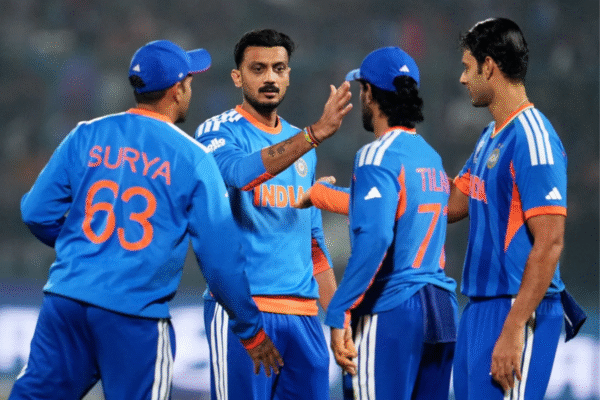


Pakistan have certain resources to trouble India.
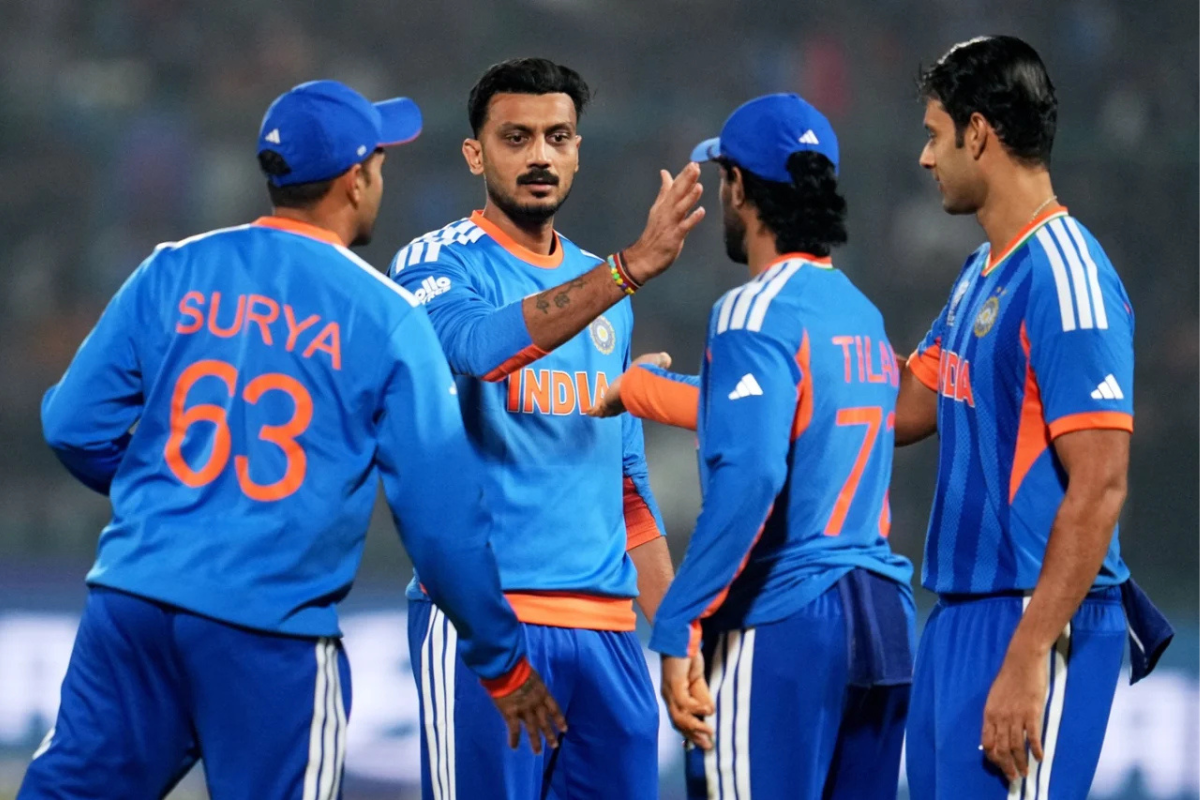
Amidst all the off-field drama ahead of another India vs Pakistan clash, the cricket game will be decided by how teams adapt in Colombo. For once, Pakistan look closely matched, and conditions are again the reason. In terms of quality, India might be ahead in every department, but conditions will even things out.
A lot of things are in Pakistan’s favour before the game. On the other hand, India, despite two wins in as many matches, haven’t been as clinical as they would have liked. Not that Pakistan have been, but the Men in Blue were supposed to look far more impressive in their own conditions.
ALSO READ:
While not the same venue, Pakistan have played their initial two games in similar conditions, where the ball has not come too nicely on the bat. The spinners have dominated in Sinhalese – the stadium for both Pakistan matches – and they understand how to bat here. India, meanwhile, have repeatedly complained about not getting flatter wickets, when they have played on far better surfaces than what’s been on offer across Sri Lanka.
At this venue, batters have averaged just 19.49, the lowest among all T20 World Cup 2026 venues, and struck at 130.94, the third-slowest rate, at the Sinhalese Sports Club. That strike rate would have been a lot worse had Oman not bowled too many looseners in the death overs against Ireland. That Pakistan have played two games here will definitely help on a deck that should be better than the ones they have had so far.
India have clearly not been at their best as a batting unit, despite playing against lower-ranked teams on surfaces not as flat as those they prepared for the home series before. At Wankhede, they were reduced to 77/6 before Suryakumar Yadav played a blinder. Meanwhile, Namibia restricted them brilliantly by conceding only 25 in slog overs after the pitch slowed down a bit.
Certain patterns emerged from these two contests that must have forced India to rethink their method. At this stage, they have played so much on flat wickets that anything even minutely offering bowlers makes them uncomfortable. Then, they haven’t shown the ability to adapt either, and their issues will definitely be exacerbated against a better attack at the R. Premadasa Stadium.
Two of India’s top three batters can easily be confined against spinners. Ishan Kishan has looked in terrific form, and his numbers are inflated across the board at this point. However, on slow and low surfaces, he can struggle with straighter lines against spinners.
Since IPL 2025, Kishan has a strike rate of 144.82 and plays around 34.48% false shots on the leg, middle and off-stump line against spinners, but this looks a bit exaggerated due to flat surfaces in the New Zealand series. In IPL 2025, the same strike rate was 125. Tilak Varma has the same issues; he struggled massively against these lines in IPL 2025 as well.
Fast spin can easily contain him with precise lines. These numbers are relatively poor when the two have played on the flattest of the decks in IPL and for India. In Colombo, their issues with straighter lines will become a lot more obvious, and they can either depart cheaply or end up with negative-impact knocks.
Usman Tariq has been mighty effective against LHBs, and India will have an all-LHB top three for the Pakistan clash. Since 2025, he has 16 wickets at 12.25 runs apiece and an economy rate of 6.39 against southpaws. So, Pakistan will likely use him early in the innings and ask him to bowl on the stumps immediately.
Even in general, India struggled with Gerhard Erasmus’ rather unorthodox skills in the Namibia game, where he used the depth of crease and bowled several deliveries with a round-arm action. They couldn’t get under the pitch of the ball and kept losing wickets one after another. Tariq will bring similar skills, along with a pause, and the Men in Blue have never faced him before, giving the bowler an extra layer of advantage.
At the R. Premadasa Stadium, spinners have taken 20 wickets at an average of 25.40 and conceded only 7.47 runs per over in three games. Unsurprisingly, they have collectively bowled around 58.57% of total overs, the highest among all grounds, in the tournament. Indian batters, who couldn’t adapt to slightly slow conditions with the old ball, will definitely struggle if the same approach continues.
Pakistan will have as many as five spinners in their ranks, and all of them bring different dimensions. Apart from Tariq, the likes of Saim Ayub and Mohammad Nawaz can also bowl tighter lines and cramp batters for room. Their potency will increase multifold in Colombo, and India have not been too great against spinners.
Namibia adopted a yorker-heavy strategy that worked in the previous game, as India couldn’t hit most full-tosses and half-volleys against two left-arm pacers. As pointed out, the ball going away can be difficult to dispatch when bowled very full. Shaheen Afridi is a left-arm pacer whose natural angle will take the ball away from LHBs.
India will again have as many as three southpaws in the lower order, and that’s where Shaheen can again take a clue from how Namibia bowled. Pakistan can also bring in Salman Mirza, who is also a left-arm pacer with skiddy attributes and several slower-ball variations. They can afford to drop one of Abrar Ahmed and Nawaz to rope in Mirza, who reportedly had an extended session two days before the game.
So, spinners can handle the top order, while pace will work for middle and lower middle-order batters. This contest will be played on a used deck, and shot-making won’t be as free-flowing, which will trouble India more than Pakistan. They have the skills, but recent bad habits and early tournament patterns suggest India will be pushed more than they were in the Asia Cup 2025.
For more updates, follow CricXtasy on Facebook, Instagram, Twitter, and YouTube.